

Introduction to Hacking Phases
Hacking is often misconceived as merely the act of gaining unauthorized access to systems, yet it is much more nuanced than this simplified definition. In the context of cybersecurity, hacking encompasses a series of well-defined steps of hacking that form a structured approach to identifying and exploiting vulnerabilities. This intricate process is crucial not only for malicious hackers but also for ethical hackers, who harness their skills to enhance security frameworks and thwart potential breaches.
To understand hacking more comprehensively, it is essential to recognize that each phase serves a specific purpose in achieving the hacker’s objectives. Generally, the stages include reconnaissance, scanning, gaining access, maintaining access, and finally, covering tracks. Each of these phases contributes to an overarching methodology that guides hackers through their activities.
Reconnaissance is the initial phase where information is gathered about the target, often referred to as footprinting. This stage is vital as it lays the groundwork for the subsequent steps an attacker may take. Next is scanning, which employs various tools and techniques to actively probe for weaknesses and entry points into the system. Gaining access comes next, where the hacker exploits identified vulnerabilities to infiltrate the system.
Once inside, maintaining access becomes critical; this phase often involves setting up backdoors or persistent connections to allow continued entry even after the initial vulnerability is patched. Lastly, the process includes covering tracks, where the hacker aims to erase any indicators of their presence, complicating detection and remediation efforts.
Understanding these phases enhances our grasp of hacking as a multifaceted discipline. This knowledge not only sheds light on the methods used by cybercriminals but also enables organizations to prepare better defenses through various training programs, including comprehensive ethical hacking courses. Such education helps demystify the hacking process and lays the foundation for robust cybersecurity practices.
Phase 1: Reconnaissance
The reconnaissance phase is crucial in the hacking process, often referred to as the first step of hacking. This phase entails the collection of valuable information regarding the target system or network. This foundational knowledge is vital for planning and executing any subsequent steps in a hacking strategy. Ethical hackers, who undergo training in comprehensive ethical hacking courses, utilize this phase to identify potential vulnerabilities and weaknesses that could be exploited during an engagement.
Various techniques are employed during this phase, with the primary goal of gathering as much data as possible. Open port scanning is one such technique; it allows the hacker to determine which ports are accessible on a network, providing insights into the services running and possible operating systems in use. Network mapping follows this to create a visual representation of the network architecture, which can reveal the layout and connection points between devices.
Another critical aspect of the reconnaissance phase is social engineering. This technique exploits human psychology by manipulating individuals into revealing confidential information inadvertently. Through tactics like phishing, the hacker can achieve unauthorized access to sensitive data by deceiving targets into sharing credentials or clicking on harmful links.
It is important to note that while reconnaissance is a legitimate and necessary part of ethical hacking, it must be conducted within legal boundaries. Ethical hackers are often employed by organizations to assess their security posture legally and responsibly. Understanding the steps of hacking, including reconnaissance, is fundamental for anyone pursuing a career in cybersecurity or those looking to enhance their security measures through ethical hacking courses. By adhering to ethical guidelines, these professionals contribute to a safer digital landscape.
Phase 2: Scanning
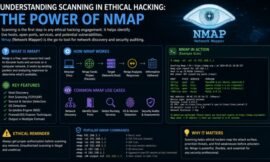
The scanning phase is a crucial step in the overall process of hacking, where attackers deploy various techniques to gather information about potential targets. During this stage, hackers aim to identify live hosts, open ports, and the services that are running on those ports. By understanding the system’s architecture, attackers can develop effective strategies for exploiting vulnerabilities. Three principal scanning techniques are commonly employed: ping scans, port scans, and vulnerability scans.
Ping scans are used to determine the live status of a host by sending a signal and awaiting a response. This method allows hackers to create a list of active devices within a network, setting the stage for deeper probing. Port scans, on the other hand, investigate the open ports in a system to reveal the services running on those ports. This technique provides invaluable insight into what protocols and applications are accessible, helping in pinpointing potential entry points for further exploits.
In addition to these basic scanning methods, vulnerability scans are employed to detect known vulnerabilities in operating systems, applications, and network configurations. These scans utilize predefined databases of vulnerabilities to assess security weaknesses systematically. Tools such as Nmap, Nessus, and OpenVAS are widely used in this phase, facilitating the efficient execution of various scanning techniques.
The significance of detecting vulnerabilities during the scanning phase cannot be overstated. Identifying weaknesses at this stage is essential for ethical hackers and cybersecurity professionals to fortify defenses and mitigate risks. By understanding the steps of hacking, including scanning, organizations can better prepare and implement robust security measures. The insights gained in this phase form the foundation for the subsequent steps of hacking, reinforcing the importance of thorough reconnaissance before any intrusion attempts.
Phase 3: Gaining Access
In the third phase of hacking, known as gaining access, the hacker actively exploits the vulnerabilities identified in the previous phases. This critical stage is where theoretical knowledge transforms into practical actions, culminating in unauthorized entry into target systems. Cybersecurity training, such as those provided in an ethical hacking course, often emphasizes the importance of understanding various exploitation techniques that hackers may deploy.
One of the most prevalent methods utilized in this phase is malware deployment. Malware can manifest in various forms, including viruses, worms, or Trojans, which are strategically designed to infiltrate and disrupt the functionality of a system. Upon successful implantation, malware can create backdoors, allowing hackers to execute commands and manipulate sensitive data surreptitiously.
Another key method is social engineering, a technique that leverages psychological manipulation to trick individuals into divulging confidential information. This might involve impersonating a trusted figure to convince a target to reveal their credentials. Such tactics underscore the significance of employee training and awareness programs to safeguard against these types of attacks.
SQL injection is also a common exploitation strategy where attackers insert arbitrary SQL code into an input field, enabling them to interact with a database unlawfully. Such attacks can lead to unauthorized data access or alteration, posing severe data breaches to organizations. Many ethical hacking courses include real-world examples of these hacking techniques for educational purposes, demonstrating how vulnerabilities are exploited in practice.
Overall, the phase of gaining access is pivotal in the hacking process, showcasing the diverse methodologies hackers utilize to exploit vulnerabilities. Understanding these techniques is essential for both aspiring ethical hackers and organizations aiming to fortify their cybersecurity frameworks.
Phase 4: Maintaining Access
The phase of maintaining access is a crucial step in the overall process of hacking. Once an attacker has gained unauthorized entry into a system, the next objective is to ensure that they can return without the need to breach the system again. This involves creating backdoors and utilizing various methods that allow for continued access, often while remaining undetected by the cybersecurity measures in place.
Hackers employ a variety of tools and techniques to maintain persistent access. One common approach involves the establishment of backdoors—secret methods of bypassing normal authentication processes. These backdoors often take the form of software programs or scripts installed on the target system that enable the hacker to regain entry at will. The use of rootkits, which can hide the presence of malicious software, is also prevalent. These tools can manipulate system functionalities to conceal unauthorized activity even from experienced cybersecurity professionals.
Additionally, attackers may install remote access trojans (RATs), which provide them with control over the infected system. This enables the hacker to execute commands, steal data, and upload further malicious payloads. The implications of such activities are significant; an organization’s cybersecurity posture may be compromised, leading to potential data breaches or further exploitation. As such, understanding the steps of hacking, particularly this phase, is vital for entities aiming to fortify their defenses against such threats.
Furthermore, effective cybersecurity training for professionals, such as through an ethical hacking course, can equip individuals with the necessary skills to recognize and react to attempts to maintain access. This knowledge can play a critical role in preventing unauthorized access and ensuring that systems are fortified against future intrusions.
Phase 5: Clearing Tracks
In the realm of cybersecurity and the steps of hacking, the practice of clearing tracks is a crucial phase for adversaries looking to evade detection. Following a successful intrusion, hackers employ methods to erode their digital footprints, thereby complicating efforts by forensic analysts to trace their actions. This phase underlines the significance of anonymity in hacking operations, as the success of malicious activities often hinges on the hacker’s ability to remain undetected.
One of the primary techniques utilized in this phase is log manipulation, where hackers may alter or erase log files that document their activities on compromised systems. By doing so, they effectively remove key evidence that could lead cybersecurity professionals to their true identities or intentions. Additionally, hackers often employ proxy servers to mask their IP addresses. A proxy server acts as an intermediary between the hacker and the target system, allowing the hacker to conceal their real location and make tracing their actions significantly more challenging.
The role of forensic analysis in cybersecurity cannot be overstated, especially when it comes to addressing the repercussions of hacking incidents. Forensic experts utilize various tools and methodologies to analyze remnants of digital activities, which may include recovery of deleted logs or identification of unusual communication patterns. This process is vital for understanding the techniques employed by hackers and fortifying defenses against future incursions.
Understanding the ethical hacking course implications is essential, as professionals in the field must learn to anticipate these deceptive measures. By studying the steps of hacking, security experts gain insight into potential vulnerabilities and develop countermeasures to protect sensitive information. Ultimately, the phase of clearing tracks serves as a reminder of the ongoing battle between hackers and cybersecurity practitioners, emphasizing the necessity for continual adaptation in defense strategies.
Post-Exploitation Activities
Upon successfully breaching a system, hackers typically engage in a series of post-exploitation activities that can have grave implications for both organizations and individuals. These actions are crucial in extending the overall impact of the intrusion and often set the stage for more damaging operations.
One of the most common post-exploitation activities is data theft. Once hackers gain access to sensitive information, they often extract valuable data, which can include personal identifiable information (PII), financial records, or intellectual property. This stolen data can be leveraged for identity theft, financial fraud, or corporate espionage, creating severe risks for the targeted entities.
In addition to data theft, hackers may install additional malicious software, which can further compromise affected systems. This additional malware might serve to establish persistent access, allowing hackers to return to the system at any time without needing to breach the defenses anew. Furthermore, this malware can be utilized to create botnets—networks of compromised computers that can be commanded for various malicious purposes, including launching denial-of-service attacks or spreading more malware.
Moreover, hackers often exploit the compromised systems as a launching pad for further attacks. They may pivot to other interconnected systems, escalating their reach and causing even greater damage. This lateral movement can be detrimental, as it allows hackers to bypass segmentations and gain access to critical infrastructure.
Organizations and individuals alike face heightened risks due to these post-exploitation activities. The potential for financial loss, reputational damage, and legal ramifications can be extensive. For this reason, understanding the steps of hacking, particularly during post-exploitation, is crucial for implementing effective defenses. Those pursuing an ethical hacking course can gain insights into mitigating these threats and safeguarding sensitive information.
The Role of Ethical Hacking
Ethical hacking plays a crucial role in the modern landscape of cybersecurity, serving as a proactive measure to protect systems from potential vulnerabilities. Unlike malicious hackers, ethical hackers adhere to legal and ethical standards while performing their assessments. They engage in a structured methodology that mirrors the steps of hacking, allowing them to identify weaknesses within a system before they can be exploited by cybercriminals.
Individuals who pursue an ethical hacking course acquire a comprehensive understanding of cybersecurity principles, methods, and tools, enabling them to effectively navigate through the various phases of hacking. Typically, these phases include reconnaissance, scanning, gaining access, maintaining access, and conducting analysis. Each step is meticulously designed to uncover security flaws and provide recommendations for improvement. In this context, ethical hackers play a vital role in not only identifying these vulnerabilities but also in formulating strategies to mitigate risks.
The distinction between ethical and malicious hacking is significant. While both may utilize similar techniques, their intents differ markedly. Ethical hackers operate with permission and are focused on enhancing security, while malicious hackers seek to exploit systems for personal gain. This fundamental difference highlights the necessity of ethical practices in cybersecurity, particularly as organizations increasingly rely on digital infrastructures.
In conclusion, ethical hacking is indispensable for organizations looking to fortify their cybersecurity frameworks. By systematically following the steps of hacking, ethical hackers serve as guardians of digital information, ensuring vulnerabilities are addressed before they can be exploited by those with harmful intentions. The commitment to ethical standards elevates the cybersecurity profession and fosters an environment of trust and security in an increasingly digital world.
Conclusion: The Importance of Understanding Hacking Phases
Understanding the steps of hacking is not merely an academic exercise; it is a vital endeavor for anyone who navigates the digital landscape. By grasping the various phases that define the hacking process — from reconnaissance to exploitation and beyond — individuals and organizations can better prepare themselves to defend against potential threats. The knowledge of these steps enables cybersecurity professionals and enthusiasts, alike, to anticipate the tactics used by malicious actors and to fortify their defenses accordingly. This understanding is further enhanced through participation in an ethical hacking course, where learners gain practical skills and insights into the methodologies employed by hackers.
Moreover, with the increasing sophistication of cyber threats, awareness of these hacking phases becomes critical. Each new tactic employed by cybercriminals presents unique challenges that necessitate an ongoing commitment to learning and adapting. As vulnerabilities evolve, so too must our strategies to thwart them. Understanding the phases of hacking can provide valuable context for developing security protocols that are not only reactive but proactive in nature.
Furthermore, awareness of hacking phases has implications for individual online safety. By recognizing potential entry points that hackers may exploit, users can take informed measures to protect their personal information and digital assets. In a world where cyber threats are omnipresent, establishing a solid grasp of the hacking process is essential for cultivating a secure digital environment.
In conclusion, the importance of understanding these phases cannot be overstated. Continuous learning and adaptation in light of evolving hacking techniques will empower individuals and organizations to navigate the complexities of cybersecurity effectively. By remaining vigilant and knowledgeable about the steps of hacking, we can collectively work towards a safer online future.