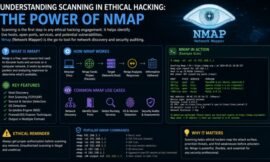

Understanding Ethical Hacking
Ethical hacking refers to the practice of purposely probing computer systems and networks to identify vulnerabilities that could be exploited by malicious hackers. Unlike their unethical counterparts who aim to cause harm, ethical hackers work with the permission of organizations to strengthen their security measures. They use a variety of tools, methodologies, and extensive knowledge of information security to carry out their assessments, ultimately contributing to a safer online environment.
The roles of ethical hackers go beyond mere technical assessments. They often serve as educators within their organizations, providing insights on emerging security threats and the latest hacking techniques. This increases awareness among employees about the importance of cybersecurity practices and compliance with security protocols. By creating a culture of security within an organization, ethical hackers work to minimize potential risks before they manifest into serious breaches.
To effectively safeguard sensitive information, ethical hackers utilize methodologies such as penetration testing, vulnerability assessments, and security auditing. Penetration testing simulates cyberattacks to test an organization’s defenses, while vulnerability assessments identify existing security weaknesses. Security auditing involves a comprehensive review of an organization’s policies and systems to ensure compliance with widely accepted security standards.
Moreover, ethical hackers employ an array of advanced tools, including network scanners, password crackers, and exploit development frameworks, to support their endeavors. The constant evolution of technology necessitates that ethical hackers continuously stay informed about new tools and techniques to ensure they can effectively mitigate risks. By mapping out potential weaknesses, ethical hackers play a pivotal role in building robust security frameworks that deter unauthorized access and protect sensitive data from being misappropriated.
Current Demand for Ethical Hackers in India
The demand for ethical hackers in India has witnessed a significant surge, driven by the relentless rise of cyber threats and the ongoing digital transformation across various industries. According to recent research conducted by industry analysts, the cybersecurity job market in India is expected to grow by more than 30% in the coming years, creating numerous opportunities for professionals skilled in ethical hacking.
This growing demand can primarily be attributed to an increase in the frequency and sophistication of cyberattacks on businesses and government entities. High-profile data breaches have underscored the imperative need for organizations to adopt stronger cybersecurity measures, leading to the recruitment of certified ethical hackers who can identify vulnerabilities and mitigate risks. Moreover, the implementation of stringent data protection regulations is pushing companies to prioritize cybersecurity, further fueling the need for skilled hackers.
The digital transformation journey undertaken by organizations across sectors is another significant factor driving the demand for ethical hackers. As businesses migrate their operations to cloud-based platforms and integrate advanced technologies such as artificial intelligence (AI) and the Internet of Things (IoT), the surface area for potential attacks expands, necessitating a proactive approach to cybersecurity. Ethical hackers are essential in safeguarding sensitive data and ensuring the integrity of IT infrastructures.
Government initiatives aimed at bolstering cybersecurity capabilities in the country have also contributed to job creation in this domain. Programs encouraging the development of cybersecurity frameworks and fostering collaboration between public and private sectors have led to a heightened focus on hiring ethical hackers.
In light of these trends, experts emphasize the importance of continuous skill development and staying abreast of the latest techniques and technologies in ethical hacking. Those entering this field can expect a dynamic career with numerous opportunities for growth and specialization.
Career Opportunities and Certifications in Ethical Hacking
As cybersecurity threats continue to escalate, the demand for skilled ethical hackers is witnessing significant growth in India. Aspiring ethical hackers can explore various career pathways, including roles such as penetration tester, security analyst, and cybersecurity consultant. Each of these positions presents unique challenges and responsibilities that contribute to strengthening an organization’s security infrastructure.
A penetration tester, often referred to as an “ethical hacker,” actively seeks vulnerabilities in systems, networks, and applications. They employ various techniques to simulate cyber-attacks, providing organizations with insights on potential security breaches. Security analysts, on the other hand, are tasked with monitoring and responding to security incidents, ensuring that an organization’s defenses are robust and up-to-date. Meanwhile, cybersecurity consultants help organizations devise comprehensive security strategies, tailoring their approach to meet specific business needs.
To enhance job prospects in this competitive field, obtaining relevant certifications is crucial. Among the most recognized certifications in ethical hacking are the Certified Ethical Hacker (CEH), Certified Information Systems Security Professional (CISSP), and CompTIA Security+. The CEH certification validates the knowledge and skills needed to understand and identify various hacking techniques, which is essential for a penetration tester. The CISSP certification, while broader, covers critical areas such as access control and incident response, making it valuable for security analysts and consultants alike. The CompTIA Security+ certification serves as an entry-level credential that underscores foundational security skills essential for anyone looking to embark on a cybersecurity career.
In conclusion, the career opportunities in ethical hacking are plentiful, and obtaining certifications like CEH, CISSP, and CompTIA Security+ can significantly enhance job prospects. As the demand for cybersecurity professionals continues to increase, positioning oneself with the right skills and credentials becomes indispensable in this dynamic field.
Challenges and the Future of Ethical Hacking in India
The field of ethical hacking in India is an evolving domain that faces several challenges, which may hinder its growth and effectiveness. One prominent issue is the skills gap present in the workforce. As cyber threats continue to grow more sophisticated, there is an increasing demand for professionals who not only possess foundational knowledge but also advanced skills in cybersecurity techniques. Educational institutions and training programs must adapt to this rapidly changing landscape to prepare the next generation of ethical hackers.
Another significant challenge is the need for ethical hackers to stay updated with the latest technological advancements. Cybersecurity is at the forefront of innovation, with new vulnerabilities and threats emerging regularly. Ethical hackers are required to continuously expand their knowledge base and skill sets to remain effective in their roles. Failing to do so could result in an inability to adequately protect systems from attacks, thereby undermining the very purpose of ethical hacking.
Regulatory hurdles also pose challenges to the profession. The legal framework governing hacking activities—ethical or otherwise—is often complex and varies significantly across regions. Clarifying these regulations will be crucial in ensuring that ethical hackers can perform their duties without the risk of legal repercussions. A comprehensive policy framework tailored to support ethical hackers can foster a safer cybersecurity environment.
Looking ahead, the future of ethical hacking in India appears promising. As businesses increasingly recognize the significance of cybersecurity, the demand for ethical hackers is likely to escalate. This trajectory suggests an evolution of the profession, where ethical hackers will not merely serve as defenders but also proactively engage in anticipating and mitigating cyber threats. By embracing emerging technologies such as artificial intelligence and machine learning, ethical hackers can enhance their effectiveness and adapt to future challenges in the cybersecurity landscape.